
Owner
Chef Didier Ageorges, a classically trained French chef and longtime Sonoma County resident, brings his passion for French cuisine and hospitality to life through Pascaline French Bistro & Patisserie in Santa Rosa. With over two decades of culinary excellence in the region, Chef Didier has long envisioned creating a space where French culinary tradition meets the relaxed elegance of Wine Country living.
With a foundation in fine dining and high-end hospitality, Chef Didier Ageorges has become a trusted culinary influence for many prestigious wineries in Northern California. Refining 5-course tasting menus that are curated to pair with each winery’s unique vintages. Harnessing his understanding of flavor balance, seasonal ingredients, and presentation, Chef Didier creates seamless wine and food experiences. Now offered in our Pop-up Dinners!
“I fell in love with Sonoma County over 20 years ago and made Santa Rosa my home. Bringing my style of French cuisine to this community has always been a dream—where great food, good wine, and beautiful surroundings come together naturally.” -Chef Didier
Pascaline Bistro reflects Chef Didier’s dedication to bringing quality ingredients and memorable dining experiences to the community of Santa Rosa.
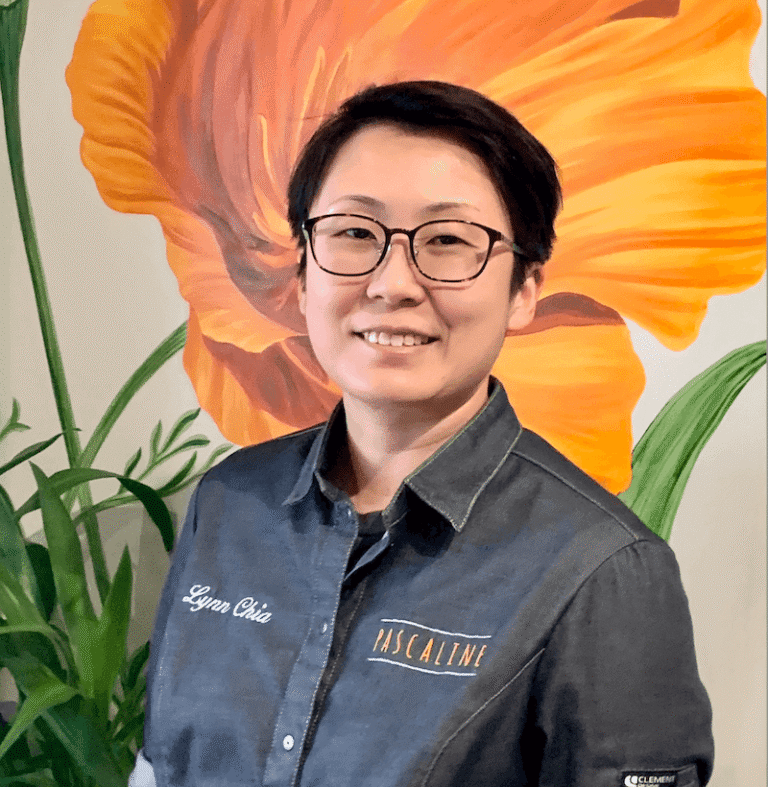
Culinary Operations Manager
With over 13 years of culinary expertise, Chef Lynn Chia seamlessly bridges the worlds of cuisine and operations. Her journey began over 20 years ago in the vibrant restaurants of Singapore where she first cultivated her skills in the art of hospitality in front of house service, ascending to corporate training manager for six outlets.
After earning her degree in Culinary Arts from Culinary Institute of America, CIA, Lynn’s career trajectory took her from restaurant management to a newfound pursuit of mastering the techniques of French cooking. Her culinary pilgrimage brought her to the US in 2013, securing an apprenticeship with Executive Chef Didier Ageorges at the acclaimed Chalk Hill Winery. Side by side with the founders, she helped launch Pascaline Fine Catering, propelling her leadership role to eventually take the helm of operations for the distinguished catering division and both of Pascaline’s café and bistro locations.
As Operations Manager, Lynn combines her culinary finesse and attention to detail with a strategic approach, elevating food quality and optimizing operational efficiency. Her culinary prowess provides a unique foundation for understanding the intricacies of kitchen logistics, resulting in a superlative guest experience.
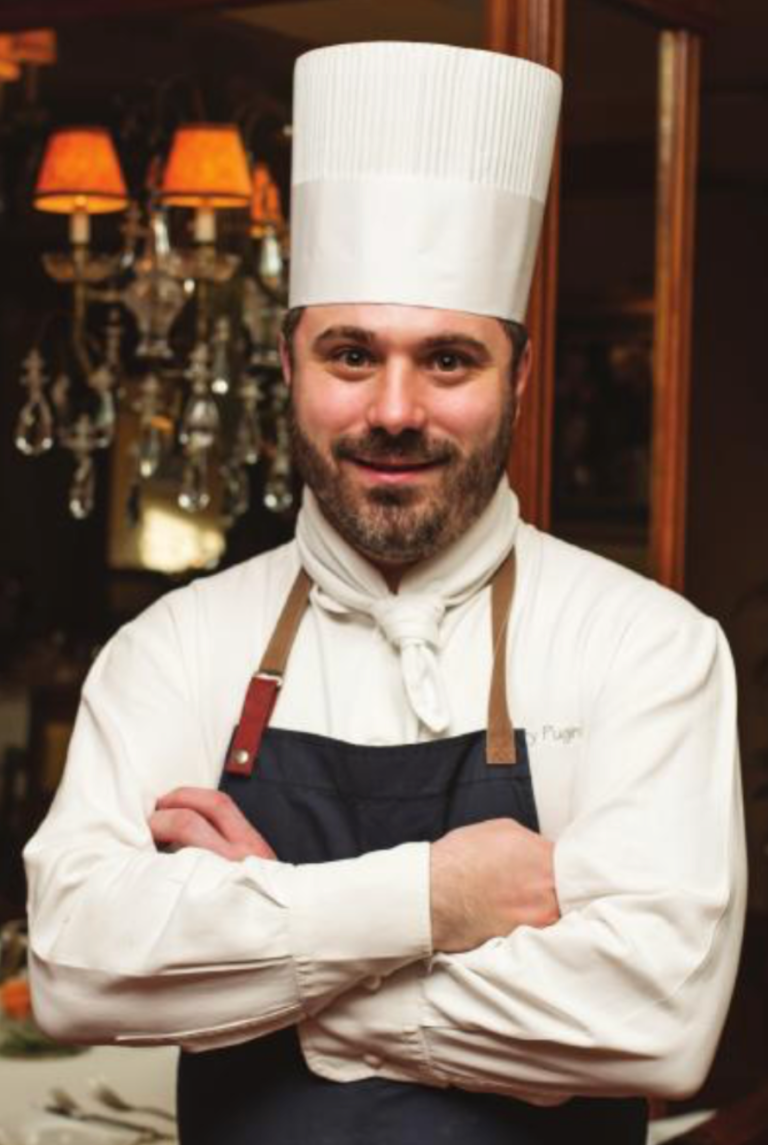
Executive Chef
Chef Gregory Pugin brings more than 25 years of international culinary experience to Pascaline French Bistro & Fine Catering. Trained in France, Gregory began his career at the prestigious Hôtel du Palais in Biarritz before joining legendary Chef Joël Robuchon’s culinary team in Paris. He went on to help open Robuchon restaurants around the world, including locations in Tokyo, Hong Kong, Macau, Monaco, and Las Vegas, refining his expertise in classical French cuisine.
Throughout his career, Gregory has held executive chef positions at renowned restaurants including Le Cirque at Bellagio in Las Vegas, Veritas in New York City, Palme d’Or in Coral Gables, and L’Atelier de Joël Robuchon in Miami. His accomplishments include Michelin-starred dining, multiple AAA Five Diamond awards, and recognition as a James Beard Award finalist. In 2019, he earned the prestigious title of Maître Cuisinier de France, honoring his dedication to French culinary excellence.
Most recently, Gregory served as Executive Chef at Shell Bay in South Florida. His experience also extends to private dining, catering, and artisan chocolate and pastry. At Pascaline, he brings a passion for exceptional ingredients, refined French techniques, and creating memorable dining experiences.
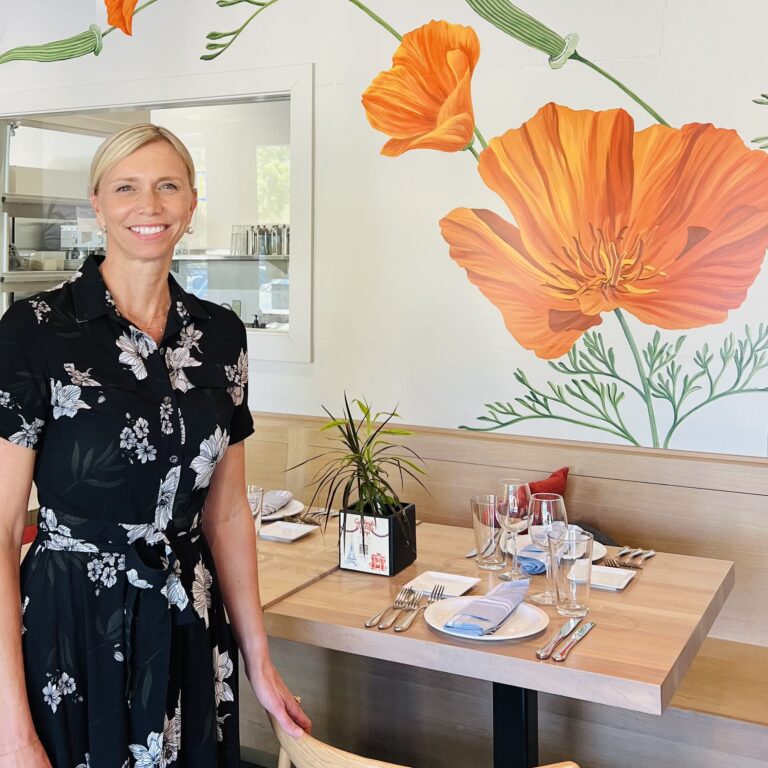
Business Development, Sales & Marketing
Sarah Ponsford joined Pascaline after a background in nonprofit events and wedding planning, where thoughtful details and exceptional client care were always at the heart of her work. While coordinating weddings with the Pascaline team, she was immediately drawn to their signature hospitality and uncompromising excellence in both food and service. That experience inspired her to eventually join the team. Sarah now leads business development and marketing and supports sales efforts, working to share the Pascaline experience with a special focus on private dinners, buyouts, and curated events hosted at the Pascaline Bistro.



We firmly believe that the internet should be available and accessible to anyone, and are committed to providing a website that is accessible to the widest possible audience, regardless of circumstance and ability.
To fulfill this, we aim to adhere as strictly as possible to the World Wide Web Consortium’s (W3C) Web Content Accessibility Guidelines 2.1 (WCAG 2.1) at the AA level. These guidelines explain how to make web content accessible to people with a wide array of disabilities. Complying with those guidelines helps us ensure that the website is accessible to all people: blind people, people with motor impairments, visual impairment, cognitive disabilities, and more.
This website utilizes various technologies that are meant to make it as accessible as possible at all times. We utilize an accessibility interface that allows persons with specific disabilities to adjust the website’s UI (user interface) and design it to their personal needs.
Additionally, the website utilizes an AI-based application that runs in the background and optimizes its accessibility level constantly. This application remediates the website’s HTML, adapts Its functionality and behavior for screen-readers used by the blind users, and for keyboard functions used by individuals with motor impairments.
If you’ve found a malfunction or have ideas for improvement, we’ll be happy to hear from you. You can reach out to the website’s operators by using the following email
Our website implements the ARIA attributes (Accessible Rich Internet Applications) technique, alongside various different behavioral changes, to ensure blind users visiting with screen-readers are able to read, comprehend, and enjoy the website’s functions. As soon as a user with a screen-reader enters your site, they immediately receive a prompt to enter the Screen-Reader Profile so they can browse and operate your site effectively. Here’s how our website covers some of the most important screen-reader requirements, alongside console screenshots of code examples:
Screen-reader optimization: we run a background process that learns the website’s components from top to bottom, to ensure ongoing compliance even when updating the website. In this process, we provide screen-readers with meaningful data using the ARIA set of attributes. For example, we provide accurate form labels; descriptions for actionable icons (social media icons, search icons, cart icons, etc.); validation guidance for form inputs; element roles such as buttons, menus, modal dialogues (popups), and others. Additionally, the background process scans all of the website’s images and provides an accurate and meaningful image-object-recognition-based description as an ALT (alternate text) tag for images that are not described. It will also extract texts that are embedded within the image, using an OCR (optical character recognition) technology. To turn on screen-reader adjustments at any time, users need only to press the Alt+1 keyboard combination. Screen-reader users also get automatic announcements to turn the Screen-reader mode on as soon as they enter the website.
These adjustments are compatible with all popular screen readers, including JAWS and NVDA.
Keyboard navigation optimization: The background process also adjusts the website’s HTML, and adds various behaviors using JavaScript code to make the website operable by the keyboard. This includes the ability to navigate the website using the Tab and Shift+Tab keys, operate dropdowns with the arrow keys, close them with Esc, trigger buttons and links using the Enter key, navigate between radio and checkbox elements using the arrow keys, and fill them in with the Spacebar or Enter key.Additionally, keyboard users will find quick-navigation and content-skip menus, available at any time by clicking Alt+1, or as the first elements of the site while navigating with the keyboard. The background process also handles triggered popups by moving the keyboard focus towards them as soon as they appear, and not allow the focus drift outside of it.
Users can also use shortcuts such as “M” (menus), “H” (headings), “F” (forms), “B” (buttons), and “G” (graphics) to jump to specific elements.
We aim to support the widest array of browsers and assistive technologies as possible, so our users can choose the best fitting tools for them, with as few limitations as possible. Therefore, we have worked very hard to be able to support all major systems that comprise over 95% of the user market share including Google Chrome, Mozilla Firefox, Apple Safari, Opera and Microsoft Edge, JAWS and NVDA (screen readers), both for Windows and for MAC users.
Despite our very best efforts to allow anybody to adjust the website to their needs, there may still be pages or sections that are not fully accessible, are in the process of becoming accessible, or are lacking an adequate technological solution to make them accessible. Still, we are continually improving our accessibility, adding, updating and improving its options and features, and developing and adopting new technologies. All this is meant to reach the optimal level of accessibility, following technological advancements. For any assistance, please reach out to